Self-Defense Classes in Burbank: A Complete Informational Guide

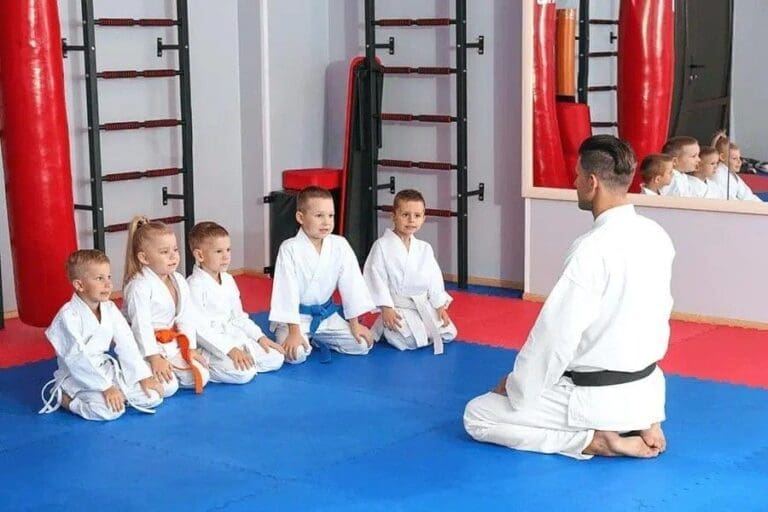
Young children sitting attentively while learning discipline in a beginner self defense class.

Many people think self-defense classes are only for martial arts enthusiasts or those who live in dangerous areas. That couldn’t be further from the truth. We believe everyone deserves to feel safe and confident in their daily lives, whether you’re walking to your car at night or answering your front door. 

The skills you learn in a training program go far beyond physical techniques. They build awareness, boost confidence, and give you practical tools to handle confrontational situations before they escalate. Self-defense is an essential act of self-care, helping you protect your body and well-being. It also provides a sense of comfort and confidence that carries over into everyday life.

Burbank offers a range of defense training options designed for real people with real schedules. You don’t need prior experience or peak physical fitness to start. Our community includes programs for women, children, and beginners who want accessible defense courses that fit their lifestyle. Many people want their friends and loved ones to be safe, and learning self-defense is a way to show care and love for those you value.

From pepper spray techniques to home defense strategies, you’ll find dedicated instructors who focus on practical skills you can actually use. These aren’t complicated moves that take years to master. They’re simple, effective tactics that work when you need them most. Remember, you have the legal right to defend yourself and your loved ones against violence.

Ready to take control of your personal safety? Keep reading to discover how affordable resident programs can transform the way you move through your world with confidence.

In the blog post

What Are Self-Defense Classes

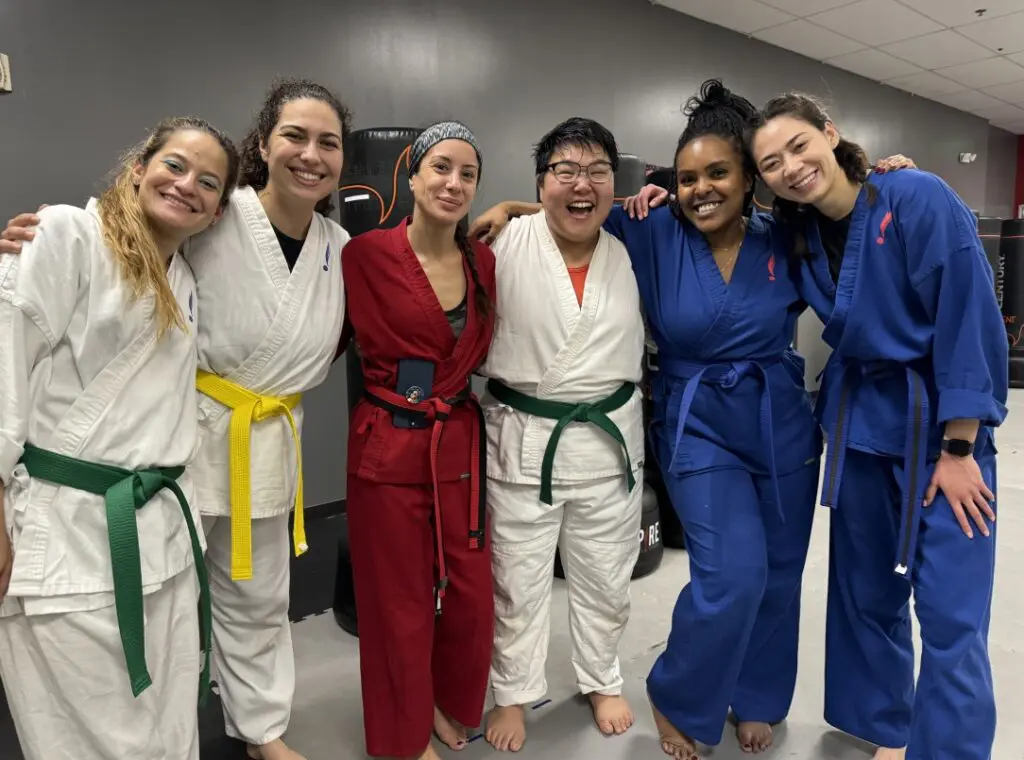
Community group photo after completing adult self defense classes at a local academy.Core Definition: What Are Self-Defense Classes and Their Purpose

Self-defense classes teach practical techniques for protecting yourself in dangerous situations. These courses focus on real-world scenarios rather than competition or sport. We learn how to recognize threats, avoid confrontations, and respond effectively when necessary. You have the legal right to defend yourself and others, using both practical techniques and an understanding of self-defense laws.

The purpose goes beyond physical techniques. Self-defense training builds awareness of our surroundings. We develop the ability to spot potential dangers before they escalate. You are allowed to defend yourself and others if you can prove your attacker had intent, means, and opportunity, making it important to understand what constitutes a real threat. This proactive approach helps us stay safer in everyday life.

There are no legal or illegal moves in self-defense, and you do not need to wait for your attacker to strike first.

Definition of Self-Defense Classes

A self-defense school provides structured instruction in personal protection methods. Classes typically include physical techniques, verbal de-escalation strategies, and situational awareness training. The curriculum addresses common attack scenarios that people might face in their daily lives. 

These classes differ from traditional martial arts in several ways. We focus on practical application rather than forms or kata. The techniques are designed to work quickly under stress. Most self-defense lessons emphasize escaping dangerous situations rather than prolonged fighting. 

Training sessions include realistic practice scenarios. Students work with partners to simulate confrontational situations. This hands-on approach helps us understand how techniques work under pressure. We also learn to manage fear and maintain clear thinking during stressful encounters.

History of Self-Defense and Its Evolution

Self-defense practices date back thousands of years across many cultures. Ancient societies developed combat systems for warfare and personal protection. Over time, these methods evolved into more refined martial arts systems. 

Modern self-defense emerged in the 20th century. Military and law enforcement agencies refined techniques for civilian use. Krav Maga training, developed in Israel, became popular worldwide. This system emphasizes practical, no-nonsense approaches to personal safety. 

Today’s self-defense classes blend techniques from various sources. We incorporate strikes from boxing, locks from jujitsu, and awareness training from security professionals. This eclectic approach creates comprehensive training programs that address multiple threat types.

What Makes a Self-Defense Class Effective

Effective self-defense training focuses on high-percentage techniques. We practice moves that work for people of different sizes and fitness levels. The techniques must be simple enough to perform under extreme stress. Realistic training scenarios make classes more valuable. 

We practice against resisting partners who simulate actual attacks. This pressure testing reveals what works and what doesn’t. Students learn to adapt techniques to their body type and capabilities. 

Quality instruction makes a significant difference. Experienced self-defense instructors understand both physical techniques and psychological aspects of confrontations. They create safe learning environments while maintaining realistic training conditions. Good teachers emphasize legal and ethical considerations alongside physical skills.

The Difference Between General Fitness and Self-Defense Training

Fitness classes aim to improve health and physical conditioning. Self-defense training develops specific survival skills for dangerous situations. While both involve physical activity, their goals are fundamentally different. We use different training methods in self-defense classes. 

The focus is on functional movements that work in confrontations. Exercises build explosive power and quick reactions rather than endurance or muscle size. Training includes stress inoculation to prepare for real encounters. 

Mental preparation sets self-defense apart from fitness training. We learn to assess threats and make quick decisions. Classes address fear management and maintaining composure under pressure. These psychological elements are just as important as physical techniques.

Benefits & Purpose: Why Self-Defense Classes Are Important

Students gathered for belt evaluations as part of ongoing self defense classes curriculum.Physical Benefits of Self-Defense Classes

Self-defense training improves overall fitness in unique ways. We develop functional strength through practical movements. The dynamic nature of training enhances coordination and balance. Students notice improvements in reflexes and reaction time. 

Cardiovascular fitness increases through intense drilling. Partner exercises and scenario training elevate heart rates naturally. We build stamina while learning useful skills. This makes workouts more engaging than traditional gym routines. 

Body awareness improves dramatically through practice. We learn to move efficiently and generate power effectively. Training develops core strength and stability. These physical benefits extend beyond self-defense into daily activities.

Mental and Emotional Benefits

Self-defense classes reduce anxiety about personal safety. We gain knowledge and skills that provide peace of mind. This confidence affects how we carry ourselves in public. Predators often target people who appear vulnerable or uncertain. 

Training teaches stress management in practical ways. We experience controlled stress during scenario drills. This helps us stay calm in actual emergencies. Students report feeling more composed in various challenging situations. 

Mental toughness grows through consistent practice. We push through discomfort and face fears in a safe environment. This resilience transfers to other life areas. Many students find they handle work stress and personal challenges better after training.

Self-Defense for Personal Safety

Personal safety starts with awareness and prevention. We learn to recognize potential threats before they develop. Classes teach us to trust our instincts about dangerous situations. This proactive approach prevents many confrontations from occurring. 

Home defense tactics form an important part of training. We practice responding to intrusions and protecting family members. Students learn about defensive tools and their proper use. Pepper spray certification is available in many programs. 

Women’s self-defense addresses specific threats that women face. These courses cover defense against sexual assaults and common attack patterns. We practice techniques that work against larger, stronger attackers. The training empowers women to protect themselves confidently.

Building Confidence through Self-Defense

Confidence grows naturally as skills develop. We see ourselves successfully defending against simulated attacks. This proof of capability changes how we view ourselves. Students walk with more assurance and make stronger eye contact. 

The learning process itself builds confidence. We overcome physical and mental challenges in each class. Success in training demonstrates our ability to learn new skills. This confidence extends beyond physical confrontations. 

Group training creates a supportive community. We encourage each other through difficult drills. Shared experiences build camaraderie among students. This social support enhances the confidence-building process.

Getting Started With Self-Defense Classes

Instructor posing with students after a confidence-building self defense class session.How to Start Self-Defense Training

Starting self-defense training begins with finding quality instruction. Consider taking a self-defense class to begin your journey and gain practical skills. Look for programs specifically focused on self-defense rather than sport martial arts. Read reviews from current and former students. 

Many schools offer trial classes or introductory sessions. We recommend attending these before committing to a program. This allows you to experience the teaching style and facility. Pay attention to how instructors interact with students of different skill levels. 

Set realistic expectations for your training journey. Self-defense skills develop progressively over time. Beginners should focus on fundamental techniques and principles. Consistent practice matters more than occasional intense training sessions.

Tips for Beginners in Self-Defense Classes

Beginner self-defense students should start with an open mind. Previous athletic experience helps but isn’t required. We all learn at different paces. Focus on your own progress rather than comparing yourself to others. 

Wear comfortable athletic clothing to class. Most schools train barefoot or in light martial arts shoes. The goal is to help all students feel comfortable as they learn new skills. Bring water and arrive a few minutes early. This shows respect and gives you time to prepare mentally.

Ask questions when concepts aren’t clear. Good instructors welcome questions and provide detailed explanations. Take notes after class to remember key points. Practice mental rehearsal between training sessions. 

Stay consistent with your training schedule. Regular attendance accelerates learning more than sporadic classes. Build self-defense into your weekly routine. The investment in yourself pays long-term dividends.

What to Expect in Your First Class

Your first class typically includes an orientation. New students will have the opportunity to meet instructors and classmates, helping them get familiar with the training environment. Instructors explain school rules and safety protocols. We learn proper etiquette for training with partners. 

The atmosphere should feel welcoming and supportive. Basic techniques are introduced at a manageable pace. Instructors demonstrate movements slowly and explain their purposes. Students practice with patient partners who provide helpful feedback. Nobody expects perfection in early classes.

Physical intensity varies by school and program. Some classes include significant cardiovascular work. Others focus more on technique development initially. Listen to your body and take breaks when needed. Most instructors encourage students to work at their own pace.

Finding the Right Self-Defense School

Self-defense classes offer various styles and approaches. Visit our school and watch classes in progress to see teaching methods. Notice how instructors interact with students and handle different learning speeds. Ask about instructor qualifications and experience. Established instructors bring valuable knowledge to their teaching. Question their background in both martial arts and self-defense, specifically. Real-world experience matters in self-defense instruction.

Consider location and course scheduling for accessibility. A convenient location increases training consistency. Check class times against your schedule. Accessible defense training at convenient times makes regular attendance easier. 

Evaluate the school’s focus on women’s and children’s self-defense if relevant. Some programs specialize in teaching specific demographics. These specialized courses address unique needs and concerns. Make sure the school’s approach aligns with your goals.

Comparison & Choice: Self-Defense vs Other Martial Arts

Self-Defense vs Taekwondo

Taekwondo emphasizes high kicks and athletic movements. The art developed as a sport with rules and competitions. In Taekwondo, certain moves are not allowed due to sports regulations, focusing on safety and fair play. Training focuses on form, power, and tournament performance. Students learn elaborate techniques that look impressive. 

Self-defense classes prioritize practical effectiveness over aesthetics. We use simple techniques that work in street situations, focusing on what is effective and allowed in real-world self-defense scenarios. The training includes weapons defense and multiple attacker situations. No sports rules limit what techniques we can use, but we emphasize what is permissible and effective for personal safety. 

Both offer valuable benefits for fitness and confidence. Taekwondo provides excellent flexibility and kicking skills. Self-defense offers a more direct application to personal safety. Your choice depends on whether you want sport training or practical protection skills.

Self-Defense vs Karate

Karate teaches traditional striking techniques and kata forms. The practice involves years of studying formal patterns. Training emphasizes discipline, respect, and character development. Belt ranking systems provide clear progression paths. Achieving a black belt is a symbol of martial arts experience and skill level, but it does not guarantee moral superiority or self-defense proficiency. 

Modern self-defense training takes a different approach. We skip traditional forms in favor of scenario-based practice. Techniques are taught for immediate application. The focus remains on surviving dangerous encounters rather than earning ranks. 

Karate offers deep cultural connections and traditional values. Self-defense provides faster skill acquisition for practical use. Some schools blend both approaches. Consider your personal goals when choosing between these paths.

Self-Defense vs Fitness Classes

Traditional fitness classes improve health and physique. Participants exercise to burn calories and build muscle. Classes follow predictable routines with consistent movements. The goal is physical conditioning and appearance. 

Self-defense training provides fitness as a secondary benefit. We improve conditioning while learning survival skills. Each class presents different scenarios and challenges. The training engages both body and mind simultaneously. 

Motivation differs between the two approaches. Fitness goals can feel abstract or distant. Self-defense training has clear, immediate relevance. Many students find that this purpose keeps them more engaged long-term.

Traditional vs Modern Self-defense Approaches

Traditional martial arts follow centuries-old teaching methods. Students learn through repetition of classical techniques. The progression moves slowly through the established curriculum. Respect for lineage and tradition guides instruction. 

Modern approaches adapt constantly based on current threats. We incorporate techniques from multiple fighting systems. Training methods reflect current understanding of how people learn. The curriculum updates to address contemporary attack patterns. 

Modern self-defense classes often focus on practical self-defense, emphasizing realistic, effective techniques for personal protection and situational awareness. Both approaches have merit for different goals. Traditional training offers cultural depth and philosophical elements. Modern methods provide quicker access to practical skills. Many effective programs combine elements from both traditions.

Self-Defense for Different Ages and Groups

Large group standing in formation during a family self defense class inside a martial arts studio.Preschool Self-Defense Classes

Very young children benefit from age-appropriate safety training. Preschool programs focus on stranger danger awareness. We teach simple concepts about safe and unsafe touches. Classes remain playful while introducing important safety rules. 

Physical techniques stay extremely basic at this age. Children learn to yell loudly and run away from danger. Simple releases from grabs are taught through games. The emphasis is on building confidence and awareness. 

These early classes establish positive attitudes toward training. We make learning fun through movement and play. Social skills develop alongside safety awareness. Parents often participate in preschool programs.

Kids Self-Defense Classes

Elementary-age children can learn more complex techniques. Kids’ classes teach practical responses to bullying situations. We practice verbal de-escalation alongside physical techniques. Training builds confidence that reduces victimization. 

Physical coordination improves significantly through practice. Children develop better body control and awareness. The training provides healthy physical activity and stress relief. Many kids find self-defense more engaging than team sports. 

Classes instill important values about responsible force use. We teach that physical techniques are a last resort. Students learn when to seek adult help. This ethical framework is crucial for young practitioners.

Teens Self-Defense Classes

Teenage students can handle adult-level techniques. Training addresses specific threats relevant to adolescents. We discuss peer pressure, party safety, and online threats. The curriculum prepares teens for increased independence. 

Physical capabilities peak during teenage years. Students can develop significant skills quickly at this age. Training provides a positive outlet for energy and stress. Many teens continue training into adulthood. 

Self-defense classes offer valuable life lessons for teenagers. We learn discipline, respect, and personal responsibility. The training builds maturity and sound judgment. These benefits extend far beyond physical techniques.

Adult Self-Defense Classes

Adult programs address real-world threats facing grown individuals. Training covers workplace violence, parking lot safety, and home invasions. We practice scenarios relevant to adult daily life. The instruction acknowledges physical and legal realities of self-defense. 

Fitness levels vary widely among adult students. Quality programs accommodate different abilities and limitations. We scale techniques to work for various body types. Age and fitness aren’t barriers to learning effective self-defense. 

Adults bring life experience that enhances training. We understand consequences and think strategically about safety. The learning process differs from teaching children. Many schools offer dedicated self-defense programs specifically for adults.

Best Age to Start Self-Defense

Self-defense training benefits people of all ages. Young children can start with age-appropriate safety awareness. Teens and adults learn techniques matching their capabilities. Seniors can adapt training to their physical condition. 

Starting young builds habits and awareness early. Children who train develop confidence and assertiveness. However, adults learn quickly when motivated. We’ve seen students of all ages achieve competence. 

The ideal starting age depends on individual readiness. Some children mature earlier than others. Adults can begin anytime they recognize the need. Ultimately, it’s a matter of finding instruction that fits your age and goals.

Common Questions About Self-Defense Classes

At what age should you start self-defense?

Children can begin modified self-defense training around age four. Early programs focus on safety awareness and boundaries. Physical techniques remain simple and age-appropriate. The goal is building confidence and awareness rather than fighting ability. 

Most experts recommend starting serious technical training between the ages of seven and ten. Children this age possess the coordination and focus needed. They understand cause and effect better than younger kids. Training becomes more practical and applicable at this stage. 

Adults can start self-defense training at any age. We’ve seen students begin in their sixties and seventies. Techniques adapt to physical capabilities and limitations. The mental and strategic aspects of self-defense work regardless of age.

Are self-defense classes effective?

Research shows that properly structured self-defense classes significantly improve safety outcomes. Students who complete quality programs demonstrate better awareness and avoidance skills. They respond more effectively when confrontations occur. The combination of physical and mental training provides real protection.

Effectiveness depends on training quality and student commitment. Occasional attendance provides limited benefit. Regular practice develops muscle memory and stress responses. We need consistent training to perform techniques under pressure. 

Self-defense training works best as part of comprehensive safety practices. Classes teach avoidance and de-escalation as primary strategies. Physical techniques serve as last resorts when other options fail. This layered approach provides the most effective protection.

Understanding Class Structure

Instructor tying a student’s belt during a beginner self defense class for young children.Typical Self-Defense Class Outline

Classes usually begin with a warm-up period. We prepare our bodies for physical activity and reduce injury risk. Warm-ups include stretching, cardio exercises, and movement drills. This phase typically lasts ten to fifteen minutes. 

Technical instruction forms the core of each session. Instructors demonstrate new techniques or review previous material. Students practice movements with partners at controlled speeds. We gradually increase intensity as skills develop. This segment occupies the bulk of class time.

Scenario training applies techniques in realistic contexts. Partners simulate attacks while we practice appropriate responses. Stress levels increase to test our abilities under pressure. These drills reveal what works and what needs improvement. 

Classes conclude with a cool-down and review period. We stretch tired muscles and discuss key lessons. Instructors answer questions and provide feedback. This closing segment helps consolidate learning and prevent injury.

Testing and Skill Advancement

Some schools use ranking systems to track progress. Students test periodically to advance through levels. Tests evaluate technical proficiency, knowledge, and attitude. Passing requirements vary by program and rank. 

Other programs use informal assessment methods. Instructors monitor development and provide ongoing feedback. Students advance when they demonstrate competence. Successfully passing tests or demonstrating new skills is a sign of progress in self-defense training. This approach focuses on skill rather than formal ranks.

Regular evaluation helps identify areas needing work. We receive guidance on improving specific techniques. Testing creates motivation and goals for practice. The process builds confidence as skills progress measurably.

Role of Instructors in Self-Defense Classes

Qualified self-defense instructors serve multiple roles. They teach physical techniques with proper form and application. We learn not just what to do but why it works. Instructors explain principles underlying effective self-defense. Good teachers create safe training environments. They ensure students practice with appropriate intensity and control. 

Injuries are minimized through proper supervision and progression. Safety remains the top priority during all activities. Instructors also serve as mentors and role models. They demonstrate confidence, respect, and ethical behavior. Students learn values alongside techniques. This mentorship aspect makes training more meaningful than just physical skills.

Class Culture and Student Expectations

A healthy class culture emphasizes mutual respect and support. Students help each other learn regardless of skill level. We celebrate progress and encourage those who struggle. This positive environment accelerates learning for everyone. 

Expectations include regular attendance and focused effort. Students arrive on time and ready to train. We listen attentively during instruction and practice seriously. Respect for instructors and training partners is mandatory. 

Most schools prohibit aggressive or ego-driven behavior. Training partners should never injure each other intentionally. We leave our egos outside and focus on learning. This culture makes classes safe and productive for all students.

Style Variations of Self-Defense Classes

Children practising safety skills and awareness in a youth self defense class environment.Self-Defense for Beginners

Beginner programs introduce fundamental concepts progressively. We start with basic stances, movements, and simple techniques. The pace allows new students to build confidence gradually. 

Early classes emphasize awareness and prevention over physical confrontation. Training drills remain controlled and predictable initially. Partners cooperate fully while students learn movements. Resistance increases slowly as skills develop. This approach prevents frustration and reduces injury risk.

Beginner courses often run as fixed-length programs. A typical introductory course lasts six to twelve weeks. Students learn core self-defense principles in this timeframe. Many continue into ongoing training programs afterward.

Advanced Self-Defense Techniques

Advanced training introduces complex scenarios and techniques. We practice defending against weapons and multiple attackers. The intensity level increases to simulate real stress. 

At this stage, students learn advanced self-defense moves such as the knee ride position, which is a crucial tool that applies significant pressure on an opponent and helps maintain control. Standing armlocks, commonly practiced in various martial arts, are also taught for their effectiveness in self-defense situations. Multiple knee strikes, including techniques like the Muay Thai skip knee attack, are emphasized as powerful self-defense techniques that can incapacitate an attacker. Additionally, countering a rear bearhug is covered to prevent being slammed to the ground during a confrontation.

Students at this level can handle more challenging drills safely. Home defense strategies become more sophisticated in advanced classes. We learn to use environmental objects as defensive tools. 

Techniques for protecting family members receive detailed attention. The training becomes more specific to individual circumstances. Advanced students often receive lifetime training opportunities. 

Many schools offer ongoing practice sessions beyond formal courses. This continued development maintains and improves skills over the years. A practice invitation to return helps students stay sharp.

Self-Defense for Fitness

Some programs emphasize the fitness aspects of self-defense training. It’s easy to jump into self-defense classes and enjoy both a great workout and practical skills. These classes use defensive techniques as exercise movements. We get cardiovascular workouts while practicing useful skills. The dual benefit appeals to health-conscious students. 

Fitness-focused classes often include more conditioning exercises. Circuit training, pad work, and intense drilling burn significant calories. Students improve strength, speed, and endurance. The practical skills provide added motivation beyond appearance goals. These programs work well for people intimidated by traditional self-defense. 

The fitness angle feels less confrontational to some students. We still learn effective techniques while pursuing health goals. Many students transition to more defense-focused training later.

Why Choosing the Right Style Matters

Different self-defense styles suit different needs and personalities. Some people want intense, realistic training immediately. Others prefer gradual progression in supportive environments. Matching program style to personal preferences increases training consistency. 

Your goals should guide style selection. Those focused on women’s self-defense need specialized instruction. Students interested in specific threats should find programs addressing those concerns. Course scheduling and accessibility affect long-term participation. The right program keeps you motivated and engaged. 

We’re more likely to continue training that matches our learning style. Accessible defense courses that fit our lives lead to better skill development. Self-defense techniques and mindset have a place in everyday life, not just in the training room, helping you carry yourself confidently and stay aware in different settings. Take time to find programs that feel right for you.

Take Your First Step Toward Personal Safety Today

Women celebrating progress after finishing an empowering self defense training class.You now understand how self-defense classes can transform your confidence and protect what matters most. We covered essential training options available in Burbank, from beginner-friendly programs to specialized courses for every woman, man, and child. These skills stay with you forever. 

You gain practical techniques that work in real situations, such as learning how to defend against being punched or attacked in vulnerable areas like the groin and neck. For example, our instructors demonstrate how to escape a wrist grab or defend against a sudden strike. Your safety becomes something you control, not something you hope for, and the fact is, self-defense is about preparation, not being lucky.

Visit Inspire Martial Arts & Fitness to explore programs that fit your schedule and goals, or head to our self-defense classes page for more information and to sign up. Talk with our instructors about your specific needs and concerns. We offer flexible course scheduling and affordable group training options. 

You can start with a single class to see if it feels right. Some drills are practiced slowly for safety and to build proper technique, and we encourage you not to stop your training once you begin. We make defense training accessible for everyone in our community, regardless of experience level.

Don’t wait to start your journey—watch our instructional video demonstrations to see techniques in action and get inspired. Your journey to greater confidence starts now. Contact us today to schedule your first session or join an upcoming beginner class. We welcome you to our school, where dedicated instructors create a supportive learning environment. Take action this week—your future self will thank you for it.

SHARE THIS POST